Parts and service take center stage as 2025 lessons shape 2026
By Brian Ethridge
After several years of supply chain disruption and shifting buying behavior, parts, inventory and service operations moved from a supporting role to a strategic one for the B2B outdoor power equipment industry in 2025. Manufacturers and suppliers say the year reinforced a clear message: uptime, speed and reliability now drive purchasing decisions as much as equipment features.
That mindset is shaping how companies plan for 2026, with renewed focus on parts availability, digital tools and customer support that extends well beyond the initial sale.
Service expectations rise
For Ignite Attachments, 2025 underscored how much post-sale support influences long-term relationships.
“In 2025, one of the most notable developments in parts and service has been how strongly customers continue to value responsiveness and reliability after the sale,” said Trisha Pearson, business director for Ignite Attachments. “Even as equipment becomes more advanced, expectations around support have increased.”
Pearson said the standard for customer service has risen across the market. “Consistent, high-quality customer service is no longer a differentiator. It is a baseline expectation,” she said.
Pearson said maintenance delays can quickly ripple through daily operations when crews are stretched thin. “With tight schedules and lean crews, downtime can have an outsized impact on productivity and profitability,” she said. “Ensuring common wear parts are readily available and easy to source helps keep equipment in service and jobs moving forward.”
Inventory tied to uptime
From a supplier perspective, Rotary Corp. saw dealers change how they approached inventory and ordering.
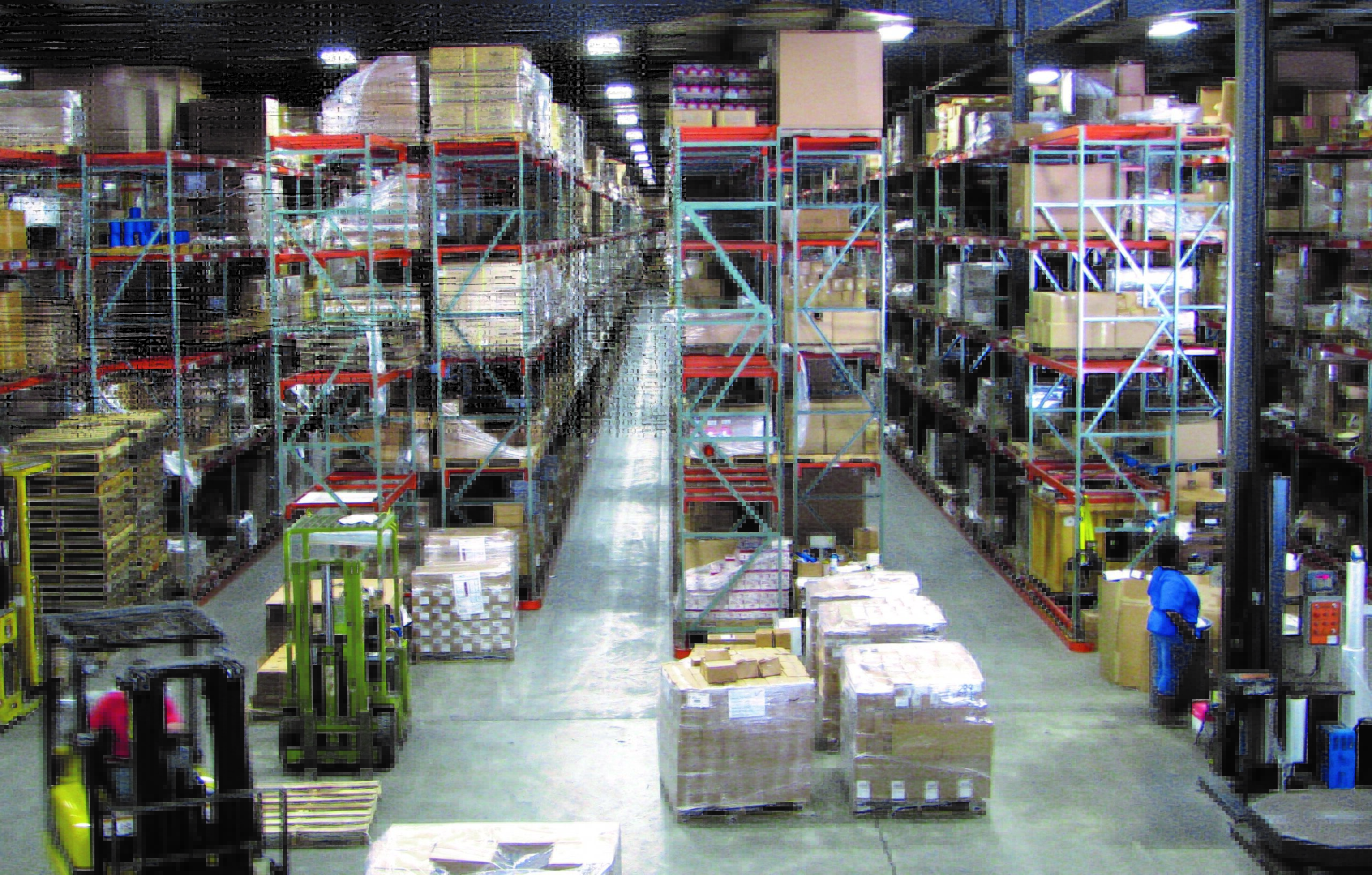
“In 2025, dealers leaned more heavily than ever on our expansive parts catalog with over 10,000 parts, tools and accessories to meet unpredictable service demands,” said Chris Roessler, vice president of advertising and marketing at Rotary Corp.
Roessler said online ordering patterns became less predictable. “We saw online dealer orders spike in ways that didn’t always track traditional seasonality,” he said. “Dealers increasingly used our cross-referenced catalog tools and real-time availability data to react rapidly, reflecting a shift toward on-demand responsiveness rather than fixed stocking models.”
That shift reinforced a broader lesson about inventory strategy. “This past year confirmed what many dealers have long said, ‘inventory isn’t just about having parts on a shelf, it’s about aligning parts availability with service uptime and customer expectations,’” Roessler said.
Digital tools gain ground
Both companies pointed to digital investments as a key takeaway from 2025. Ignite, which operates a direct-to-customer e-commerce model, said better data and visibility into customer fleets are shaping how parts are offered.
“As a direct-to-customer e-commerce retailer, Ignite continues to invest in better ways to understand customer fleets and usage patterns,” Pearson said. “By leveraging AI and other digital tools, we can recommend the right maintenance parts and, over time, provide proactive notifications based on equipment and usage habits.”
Rotary reported similar momentum among dealers using online tools to streamline workflows. “Whether through robust online catalog search tools or optimized fulfillment and shipping updates, we are working to improve workflow for our dealer network,” Roessler said.
Preparing for 2026
Looking ahead, efficiency and predictability are top priorities. Pearson said Ignite is evaluating how parts and service workflows can be simplified. “Identifying opportunities to streamline processes and remove friction allows us to respond faster and more consistently to customer needs,” she said.

Pearson said Ignite is broadening its parts lineup to support maintenance across mixed fleets. “Expanding access to the right parts, at the right time, supports a more intelligent approach to maintenance,” she said.
At Rotary, investments are aimed at forecasting and fulfillment. “Going into 2026, we’re sharpening our digital and operational support,” Roessler said. “We’re also investing in manufacturing and distribution capacity and analytics to better predict spikes in demand and help dealers balance stocking levels.”
What comes next
Both companies expect parts availability and delivery speed to remain central industry issues in 2026. “Customers want parts to be available and shipped when they decide to buy, not days or weeks later,” Pearson said.
Roessler sees a broader shift underway. “The biggest shift we anticipate is the continued blending of data-driven inventory planning with service performance metrics,” he said. “Parts distribution is no longer a back-office function, it’s central to dealer competitiveness and customer satisfaction.”
As the industry heads into 2026, the lesson from 2025 appears clear: parts, inventory and service are no longer support functions. They are core drivers of uptime, revenue and customer loyalty across the outdoor power equipment market.