The spring rush: Turning seasonal stress into a strategic win
By Brian Ethridge
As the calendar shifts toward warmer weather, outdoor power equipment dealers and service shops across the country are bracing for the annual surge. For many, spring isn’t just the start of mowing season, it’s the trigger for mounting pressure. Backlogs pile up, parts run thin, technicians burn out and customers expect immediate turnaround the moment the grass begins to grow.
To make this spring manageable and profitable, dealers should shore up their parts, pricing and internal processes. The shops that thrive this year will likely be those that transition from reactive firefighting to proactive preparation. The goal is to move from seasonal chaos to a controlled, year-round service strategy.
The modern spring challenge: Why it feels harder
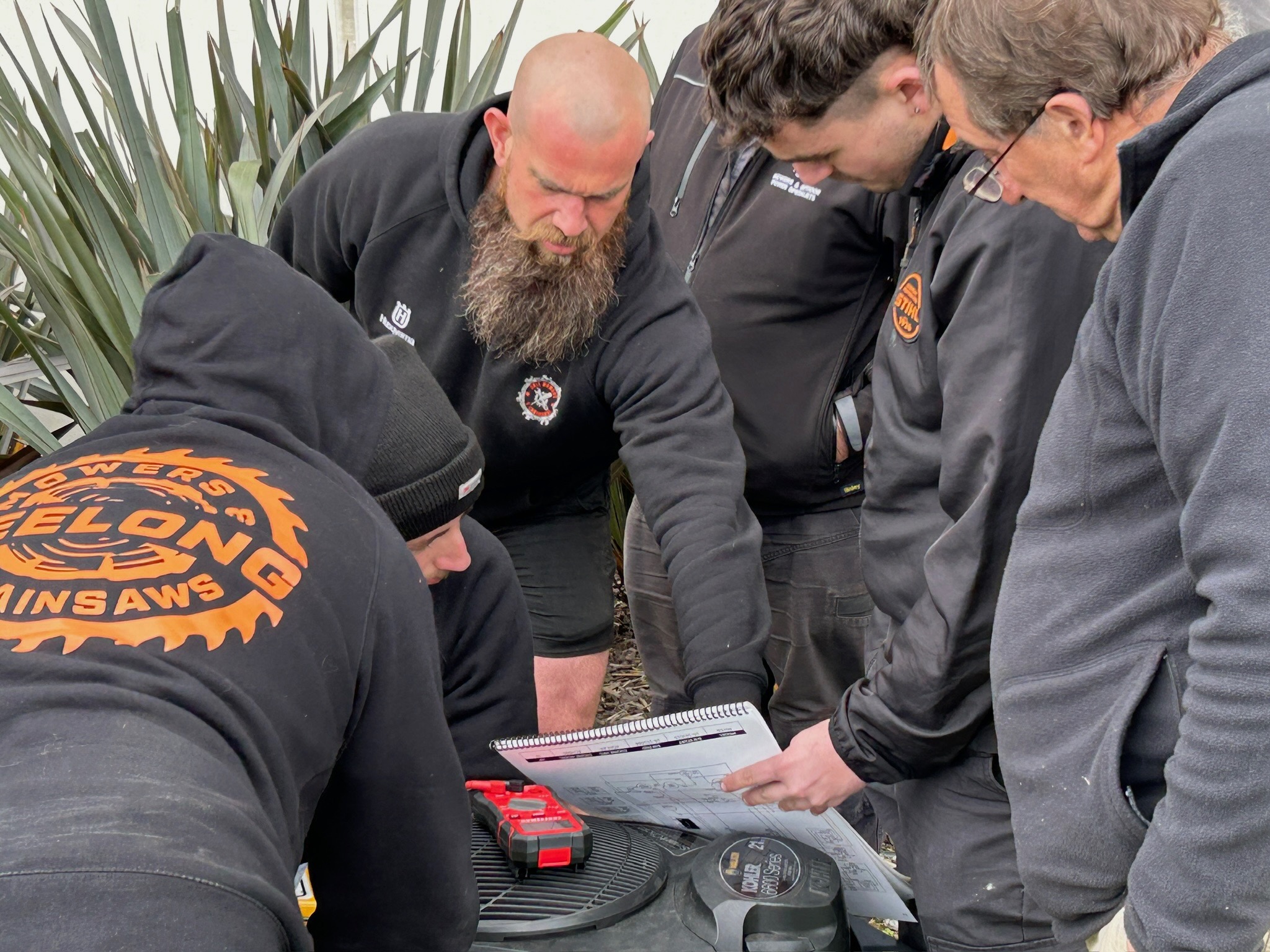
The “spring rush” is a tale as old as the industry, but the variables have changed. Seasonal demand remains extreme, with homeowner units — mowers, trimmers and blowers — flooding shops at the first sign of green. However, new pressures are making the traditional rhythm feel more like a stress test for even the most seasoned departments.
“One of the most pressing challenges dealers face during peak spring demand is the ongoing shortage of qualified service technicians,” says Bruce Tallman, executive director of the Equipment & Engine Training Council (EETC). “As equipment becomes more technologically advanced — especially with the growth of battery-electric, electronic controls and diagnostics — dealers struggle to find technicians who can be productive without extensive ramp-up time.”
Beyond the technician shortage, shops are battling a trifecta of modern complications:
Unpredictable parts availability:
Even simple maintenance jobs can stall for days when wear items or replacement components are caught in supply chain lags or are out of stock.
Staffing imbalances:
Many dealerships run lean on support staff, but this can leave highly skilled technicians carrying the burden of paperwork, parts ordering and customer communication.
Elevated customer expectations:
In an era of digital transparency, homeowners expect timely updates and fast turnaround. When the grass is growing, a two-week backlog feels like an eternity to a customer, leading to an influx of status-check phone calls that further interrupt the shop’s workflow.
Worry No. 1: The backlog bottleneck
When units come in droves, scheduling and intake often become the first points of failure. Without a rigorous system, wait times spike and the shop floor becomes cluttered with a mix of minor tune-ups and major overhauls.
Tallman notes that dealers who successfully reduce backlogs approach service operations proactively rather than reactively.
“An effective intake process and repair schedule is foundational,” Tallman says. “Clear triage at intake — separating routine maintenance, quick-turn repairs, warranty work and complex diagnostics — prevents service bays from becoming clogged with low-priority jobs.”
Strategies for success:
Many shops are finding success by implementing “intake triage.” By immediately assessing a drop-off, a shop can classify the job. A quick blade sharpening should not be stuck behind a total engine rebuild.
Furthermore, some dealers have moved away from the traditional first-come, first-served model. Instead, they offer scheduled pickup slots or dedicated drop-in windows. This manages the physical traffic in the shop and allows the service manager to forecast the workload more predictably.
“Accurate intake documentation and realistic timelines allow departments to control flow rather than respond to daily crises,” Tallman adds. “When customers understand expectations upfront, frustration is reduced and trust increases.”
Worry No. 2: Labor stress and the “invisible” career
The spring surge places enormous strain on existing technical staff. Long hours, increased pressure from frustrated customers and limited recovery time contribute directly to burnout. This burnout leads to turnover, which Tallman warns only compounds staffing shortages year after year.
The EETC focuses on moving technicians from a state of being overworked to being professionally developed. Tallman suggests that the solution is not just about hiring more bodies, but about creating structured career pathways that help employees see long-term opportunity in the profession.
“EETC supports retention by promoting structured career pathways,” Tallman explains. “By encouraging progressive skill levels, stackable credentials and employer-supported training plans, EETC helps dealers improve morale, engagement and long-term loyalty to both the dealer and the industry.”
However, the industry also faces a pipeline problem. Many potential candidates — students and career changers — simply do not realize that OPE service is a high-tech, sustainable career. The lack of visibility results in a weak talent pool long before the spring demand hits. Dealers are encouraged to work with education and workforce partners to clarify skill expectations and highlight the viability of the trade.
Worry No. 3: Technology and training gaps
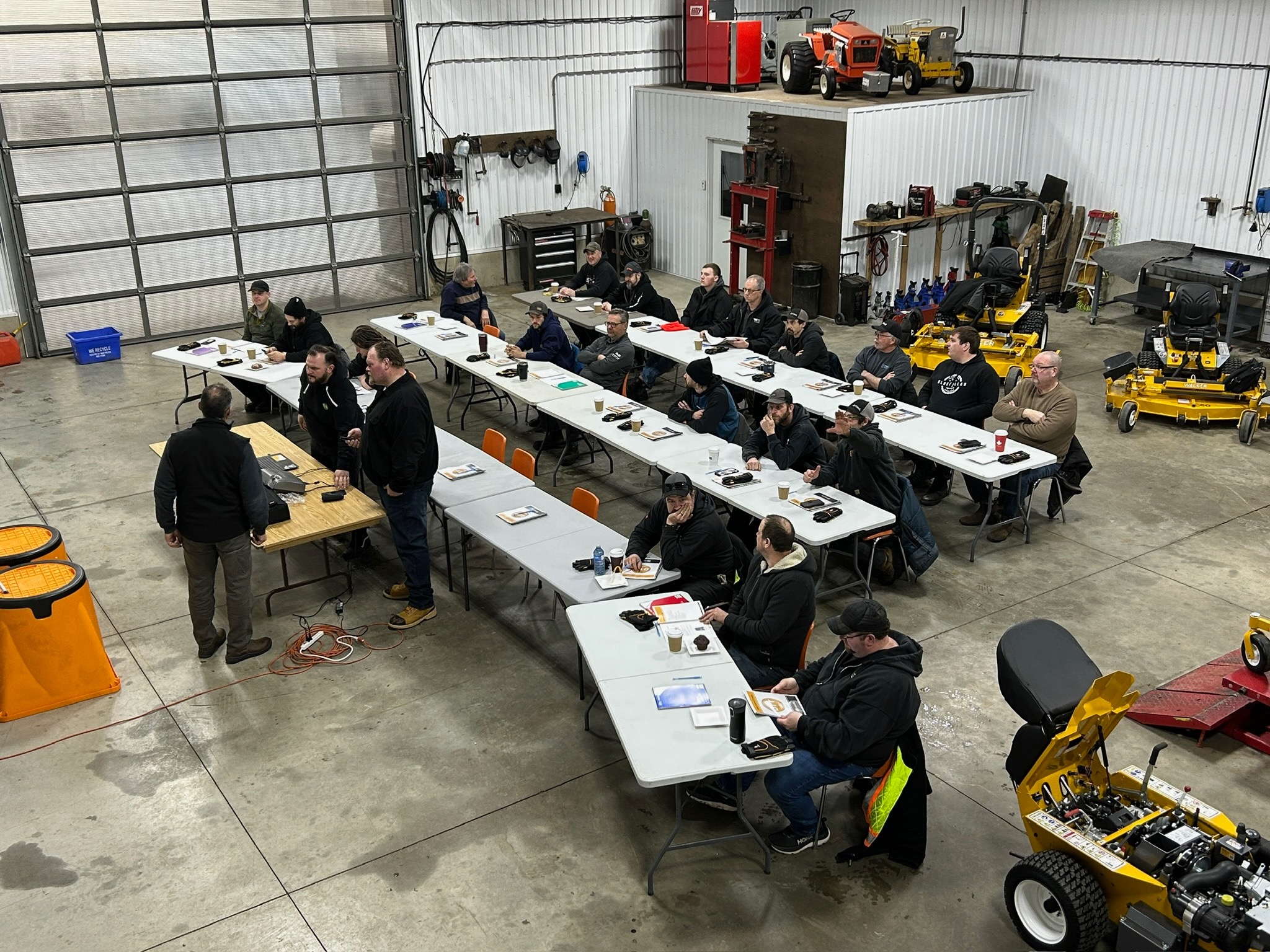
Modern equipment has evolved far beyond simple mechanical engines. Today’s mowers and power tools integrate mechanical, electrical, electronic and software-driven components. This evolution has created a cultural resistance in some shops where new technology is perceived as a disruption.
“Many technicians were trained primarily on mechanical systems, so advanced diagnostics, electronics and software-based tools can feel disruptive,” Tallman says. “This often leads to cultural resistance, where new technology is perceived as adding complexity rather than enhancing technician skill.”
To combat this, training programs are evolving. Tallman points to a systems-based training model that emphasizes how different components, such as electronic fuel injection (EFI), electronic chokes and battery charging systems, interact.
The off-season advantage:
The best time to innovate is when the shop is quiet. Tallman advises using the slow season (late fall and winter) for:
Structured training:
Upskill on diagnostics and battery platforms when pressure is low. Avoid introducing unfamiliar technology during the peak of the spring rush.
Refurbishing trade-ins:
This is a dual-purpose strategy. It creates hands-on training opportunities for younger technicians under the guidance of senior mentors in a low-stress environment.
“Refurbished equipment can then be sold as certified used units, adding a valuable secondary revenue stream while developing future-ready technicians,” Tallman notes.
Worry No. 4: Parts and shop readiness
Even common wear parts — spark plugs, belts, filters and blades — can vanish from inventory just when demand surges. A shop that lacks an organized parts strategy is a shop that loses billable hours.
Preventive measures:
Experts suggest building a “spring kit shelf” well in advance. By stocking high-turnover items before March, shops avoid mid-job stalls.
Additionally, parts should be organized and tagged logically so that technicians do not waste time searching for a common air filter during their busiest hours.
Transparency also plays a role here. If a part is on backorder, communicating that lead time to the customer immediately prevents the “where is my mower?” phone calls three days later.
Worry No. 5: Customer expectations and communication
In the heat of the season, communication can be the first thing to fall by the wayside. However, proactive communication is often the best tool for reducing the administrative workload.
Using simple status updates for each stage of repair — check-in, diagnosis, parts ordered, work started and ready-for-pickup — can significantly reduce customer anxiety. A short text message or automated update can save a staff member a five-minute phone call.
Protecting the bottom line (and the people)
Efficiency is not just about speed; it is about the environment. Tallman emphasizes that a professional workspace — clean, well-lit and properly equipped — improves safety, efficiency and morale.
“Technicians are far more likely to stay with employers who invest in their tools, facilities and working conditions,” he says.
Additionally, dealers should not be afraid to adjust labor rates to reflect the current cost of doing business. Underpriced labor erodes margins and increases the pressure on technicians to work faster, often at the cost of quality or safety. Moving to job-type pricing (flat rates for simple jobs and diagnostics for complex ones) can also streamline the approval process with customers.
Final word
Spring will likely never be easy, but it does not have to be a roller coaster. By treating the spring rush as a predictable event rather than an emergency, and by investing in both technology and technician development, shops can trade seasonal chaos for professional control.
When the phones start ringing and the units start pouring in, the prepared shop is the one that stays profitable and keeps its team intact.
“Shops that handle the spring surge best are the ones that prepare intentionally in the offseason and stick with the plan once demand hits,” Tallman concluded.