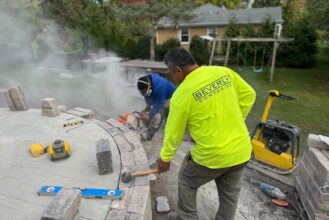
2026 outdoor living trends focus on wellness, function and lasting value
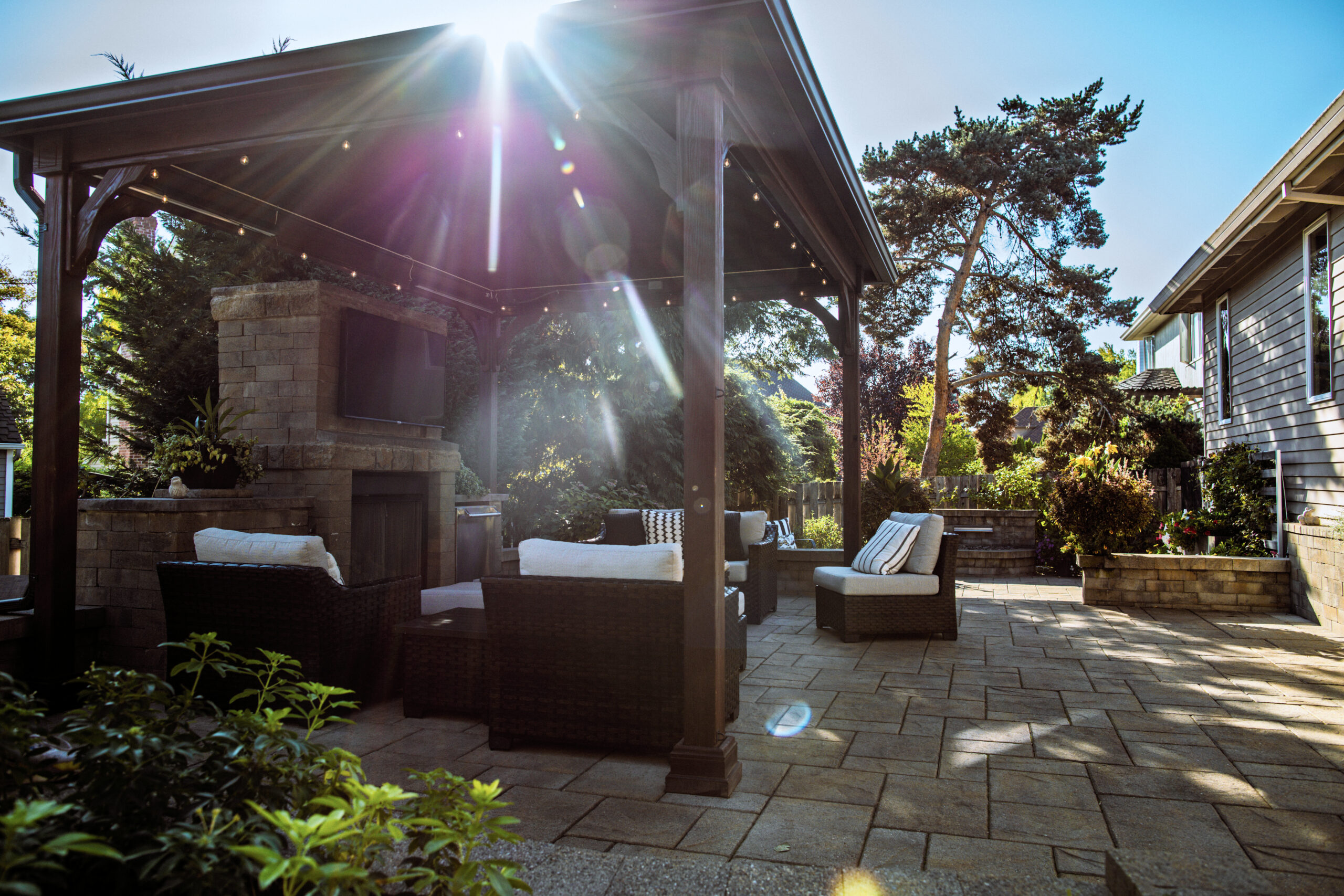
Homeowners are transforming their yards into true extensions of their home’s interior, seeking spaces to entertain, connect and add long-term value, according to System Pavers, an outdoor living design and installation company.
This drive leads to personalized additions like outdoor kitchens, fire pits, pergolas, paver patios, BBQs, fireplaces and more. Ultimately, dedicated outdoor gathering spaces for entertaining are more important than ever.
“Although most outdoor living projects have a timeless appeal because of their lasting nature, we do see trends in materials and preferences,” said Sam Leisman, senior director of operations in Arizona and Nevada at System Pavers. “Homeowners across the country tell us they want high-quality, full-service design that reflects their family’s needs, increases happiness and boosts long-term home value.”
According to Leisman, homeowners have developed a strong desire to improve their outdoor living spaces and create environments where they and their families can enjoy fresh air.
“Our industry is directly impacted by the overall national housing market,” he added. “With higher interest rates and rising home prices, many people have chosen to stay in their existing homes and invest in enhancing their outdoor spaces. We are very optimistic that this trend will continue.”
Leisman and System Pavers have identified the top outdoor living trends for 2026.
Design with purpose and function
Homeowners know that thoughtful design increases a space’s function. For example, outdoor lighting is essential to consider in the early planning stages so that the space’s usability can be extended into the evening. Function can also mean prioritizing higher-quality materials that benefit the areas around the home for years rather than seasons.
A popular choice in recent years have been permeable pavers, which allow water to pass through, reduce runoff and help manage water. Properly addressing drainage protects the homeowner’s investment, safeguards the foundation, prevents erosion, reduces pooling, and keeps lawns and foliage healthier.
“Homeowners view their projects as major investments that enhance function, and those lasting touches and upgrades can add significant impact,” said Leisman. “Daily activities such as entertaining, cooking, and dining al fresco are important to consider because elements like shade structures, power sources, integrated audio and outdoor lighting all affect how a family can enjoy the space for years down the line.”
According to Leisman, achieving optimum purpose and function begins with a strong initial design consultation and taking the time to truly understand each customer’s needs, goals, inspiration and budget. From there, it is important to guide them toward the right products and layout while developing a phased plan for their project.
“Many customers begin with the paver area or main footprint,” said Leisman. “With a well-thought-out design, we often incorporate irrigation, plumbing, electrical sleeves and even gas lines for future use. This forward-thinking approach makes it easier to expand and build over time.
“Beyond the initial phase, common additions include softscapes, turf areas, putting greens, water features, fire pits, and, of course, landscape lighting,” he added. “Lighting is one of the best investments a homeowner can make, as it enhances both the beauty and functionality of the outdoor space.”
Wellness-oriented retreats
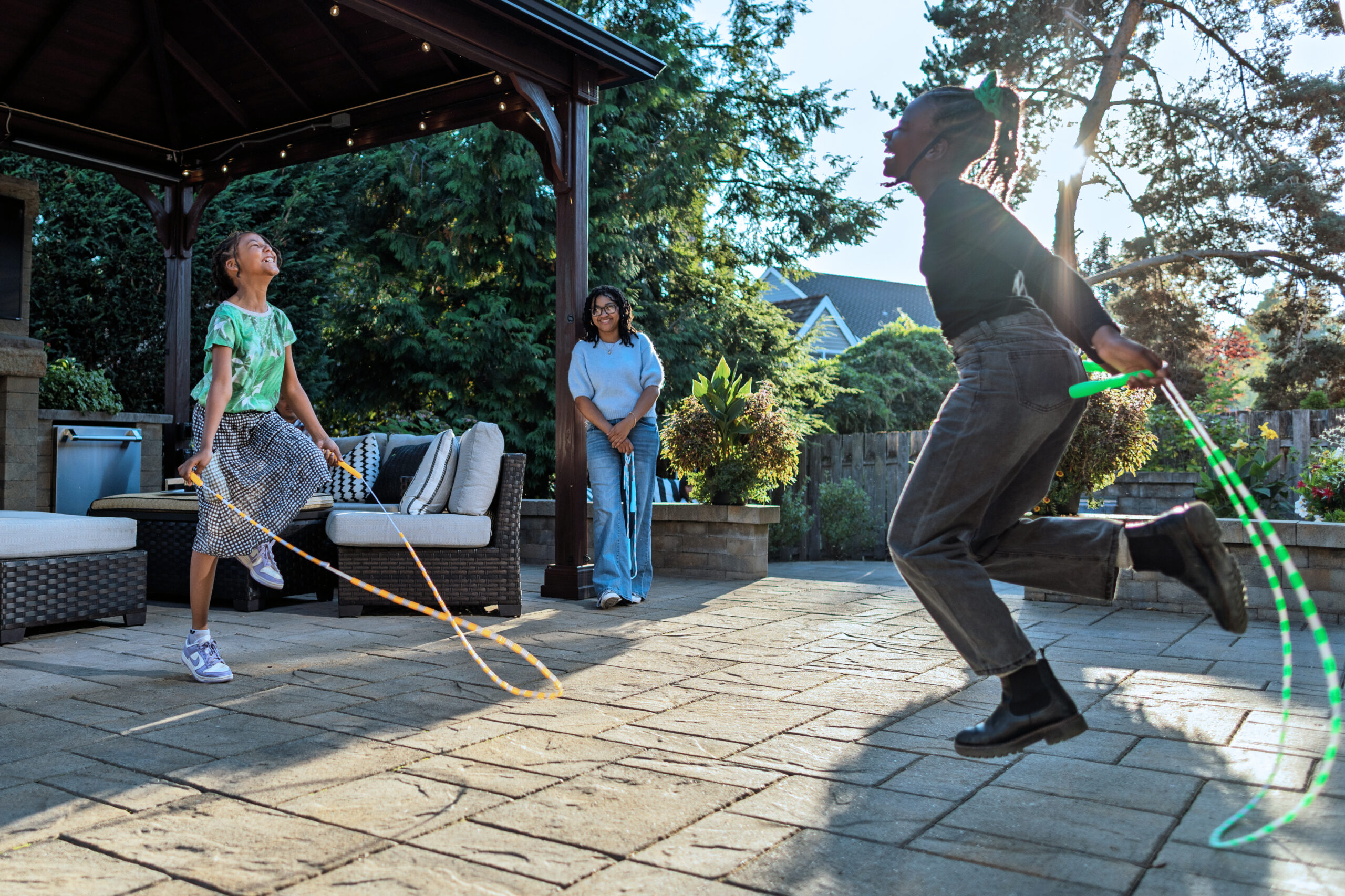
A recent reoccurring theme in how homeowners are prioritizing function is an increased focus on spaces that support daily living and wellness. Outdoor areas are evolving into personalized retreats designed to reduce stress, promote activity and support overall happiness.
The key to prioritizing wellness is putting outdoor space to good use with thoughtful, helpful additions. Creating private spaces for physical and mental recharge can be large or small. It might be a small, pergola-shaded corner for reading, or a large patio for outdoor workouts in the privacy of the backyard.
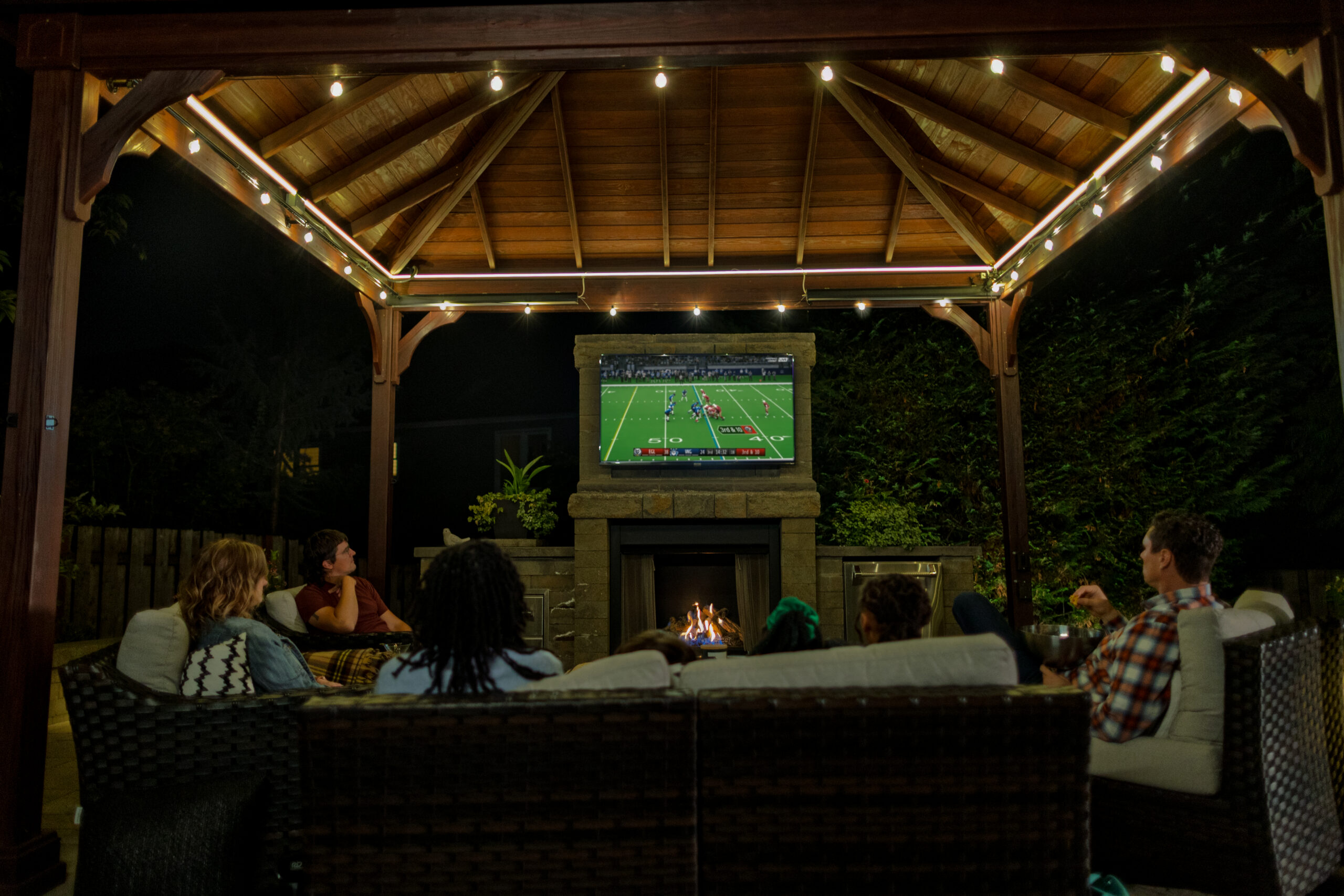
Wellness, however, does not need to be limited to solo activities. Thoughtful design can bring people together, such as outdoor kitchens or fire pit areas, and also contribute to enhanced wellbeing. Fire features cannot be underestimated, as the emotional boost of listening to a fire crackle has been proven to improve overall relaxation.
“We saw this trend start on the West Coast a few years ago when more homeowners began asking for dedicated yoga areas with soft turf. That sentiment continues to grow and evolve,” said Robert Frost, System Pavers director of operations, Atlanta. “Homeowners are redefining wellness in their homes and prioritizing thoughtful design that helps them recharge. Creating a place to relax and unwind with loved ones is priceless for reducing stress and increasing happiness.”
According to Leisman, wellness can mean different things to different people, so guiding a customer in the right direction starts with truly understanding their personal needs and goals.
“For many customers, creating a personal outdoor retreat is a top priority,” he said. “This can take many forms, such as a shaded lush garden, a tranquil water feature beside a sunny seating area, or a quiet, well-lit reading bench in the backyard for relaxing after a long day. Building that vision starts with getting to know your customer on a personal level and asking the right questions.”
Natural materials, texture and colors
For years, modern design meant cool, crisp shades of gray or clean white for hardscape materials. Now, there’s a big shift toward more natural shades such as mocha brown, sandy beige or soft taupe. White is still popular, though now a warm white with a hint of tan is rising in popularity.
Beyond color, texture comes into play with material selection trends. Design choices feature more organic, flowing elements with softer shapes and rounded corners. Homeowners are choosing a variety of textures that bring a layered approach, including artificial turf, textured pavers and, in some regions, composite decking materials, which create a unique integration.
“We love this move toward natural materials and tones. It gives outdoor spaces a more rooted feeling, connected to the landscape,” said Aaron Brundage, System Pavers director of operations, Colorado. “Product choices that blend with nature depend heavily on your region. We have to consider your home’s interior, exterior, regional climate and native plantings when developing the perfect design.”
According to Leisman, presenting a cohesive plan that presents a range of materials without overwhelming the client starts with the initial design consultation.
“Asking the right questions and truly understanding your customers’ needs and wants allows a design professional to create the right plan,” said Leisman. “We consistently coach our team on materials, colors, and the wide range of options available in the market. With so many choices out there, expert knowledge is essential. It enables our design professionals to navigate extensive catalogs on behalf of the customer and thoughtfully curate a select group of local options that best align with their needs, preferences, and overall vision.”
Low-maintenance hardscape design
Families have increasingly busy lifestyles, and anything that can help minimize their stress is crucial. There are many choices homeowners can make to create low-maintenance outdoor living spaces that require little upkeep. Choosing materials that are built to last and age beautifully is becoming infinitely more popular than products that require regular cleaning, painting, or staining.
Durability plays an essential role in prioritizing sustainability as well. Minimizing water usage and reducing runoff is ultimately cost-effective and better for the environment. Hardscape solutions engineered to last and support the communities around them are quickly becoming the standard, especially products like permeable pavers that help communities meet local government drainage requirements in some regions.
“Today’s homeowners look for more strategic material selections that go beyond aesthetics and offer long-term value,” said Leisman. “The final product should have an immediate and lasting impact, minimizing future maintenance costs.”
Overall, Leisman is excited and optimistic for the direction these trends signal.
“Having the opportunity to help our customers create outdoor living spaces where lasting memories are made and to build something that stands the test of time is incredibly rewarding. We continue to see demand grow, and we are looking forward to what’s ahead and inspiring our customers for their next outdoor project.”