OPE+ roundtable review: Dealers talk workforce, technology and survival
By Brian Ethridge
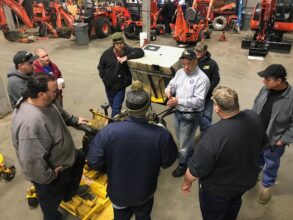
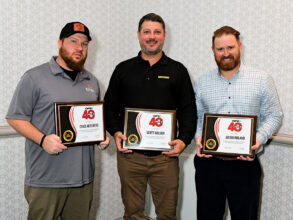
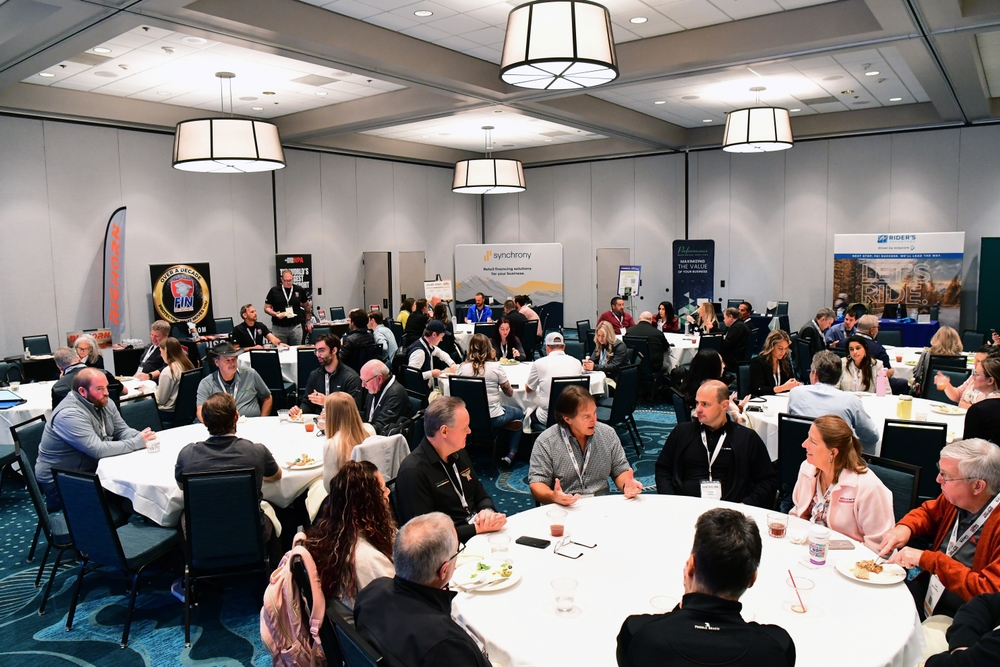
During a roundtable that followed the Under 40 awards presentation at the OPE+ Power Forum, industry leaders gathered to talk honestly about the pressures reshaping the outdoor power equipment business. The conversation was candid, occasionally messy and unmistakably real — a reflection of the pressures dealers are facing across the outdoor power equipment industry.
What unfolded over nearly two hours was less a formal panel and more a working-session conversation — one that surfaced uncomfortable truths about profitability, staffing and dealer-manufacturer relationships, while also pointing toward practical paths forward.
The discussion moved quickly and often overlapped, but a consistent message emerged: independent dealers are under strain and survival will depend on better business education, stronger leadership and a willingness to rethink long-standing assumptions.
Workforce challenges dominate the conversation
Nearly every major issue raised during the roundtable traced back, in some way, to people. Recruiting technicians remains difficult but retaining them has become even harder. Several participants emphasized that training investments frequently walk out the door when technicians leave for higher pay or better leadership elsewhere.
One speaker framed the issue bluntly, saying technicians often do not leave companies — they leave leadership. That observation sparked agreement around the table and led to a broader discussion about culture, communication and accountability inside dealerships.
Hands-on training, participants said, remains essential. While online modules and training videos introduce concepts to entry-level technicians, they cannot replace real-world experience.
“They need hands-on experience,” one participant said. “We use training videos and online modules all day, but technicians learn best when they can put their hands on equipment in a classroom, not for the first time on a customer’s machine.”
Several dealers noted that younger technicians often enter the workforce with limited exposure to mechanical problem-solving. Without structured mentorship and realistic expectations, frustration builds quickly on both sides of the service counter.
Technology as a force multiplier, not a replacement
While labor shortages dominated the discussion, technology was viewed less as a threat and more as a potential lifeline.
Participants talked at length about emerging tools designed to support entry-level and mid-tier technicians, including wearable smart-glasses that integrate with dealer software to simplify diagnostics and parts identification.
The appeal, participants said, is not about replacing skilled technicians, but about accelerating productivity and reducing bottlenecks caused by experience gaps. By automating parts lookup and guiding repairs step by step, these tools could allow shops to take on more work without overburdening senior technicians.
Still, there was caution. Several attendees stressed that technology adoption must be practical and accessible, especially for rural or smaller dealerships already stretched thin.
Thin margins and financial blind spots
Beyond staffing, financial health emerged as one of the most sobering topics of the roundtable. Multiple participants shared firsthand experiences reviewing dealer financials and finding businesses barely breaking even, or even quietly losing money.
Fear, one speaker argued, plays a big role. Dealers fear raising labor rates, fear adjusting parts margins and fear losing customers to online competitors or big-box stores.
That fear, participants agreed, often leads to unsustainable pricing strategies. Dealers may stay busy, but profitability erodes year after year.
“I can’t put my labor rate from $65 to $75 an hour. All my customers would leave,” one participant said.
The comment captured a broader frustration with rising costs, tariff impacts and inventory requirements that tie up capital without delivering proportional returns.
Several attendees stressed that many dealers simply lack foundational business education. Reading a profit-and-loss statement, understanding cash flow and managing fixed expenses were repeatedly cited as weak spots across the industry.
Without that knowledge, dealers struggle to make informed decisions and often underestimate how close they are to financial trouble.
Manufacturer relationships under strain
Another recurring theme was tension between dealers and manufacturers. Participants described inventory buy-ins, pricing requirements and warranty rules that can disproportionately burden smaller operators.
In some cases, dealers said, policies designed for large, multi-location groups unintentionally squeeze independents. The result is excess inventory, tied-up cash and limited flexibility during slower seasons.
Several speakers also raised concerns about manufacturers moving closer to direct-to-customer models, particularly for large commercial accounts. Losing access to those customers, participants warned, threatens the service revenue dealers rely on to stay viable.
Despite the frustration, the tone remained pragmatic. Attendees emphasized the need for clearer communication and more realistic expectations on both sides.
Open dialogue, they said, could reduce friction and strengthen dealer networks, but only if dealers feel safe speaking candidly without fear of retaliation.
The value of community and mentorship
Another undercurrent of the roundtable was isolation. Participants said veteran dealers often hold decades of hard-earned knowledge, while newer operators are left to solve familiar problems on their own.
“There’s all these little things that they [veteran dealers] spent the last 30 years struggling with, and they found that solution,” one speaker said. “And this guy over here had a power equipment dealership for six months. He’s like, why do I have to go through all these same problems on my own?”
Mentorship, peer groups and advisory boards were repeatedly cited as underused resources that could dramatically improve dealer outcomes.
By sharing best practices — from service programs to staffing models — dealers could shorten learning curves and avoid costly mistakes.
A realistic but hopeful outlook
The roundtable did not produce a checklist of solutions. Instead, it offered something more valuable: an unfiltered snapshot of where the industry stands today.
Participants acknowledged the challenges ahead — from workforce shortages to margin pressure — but also expressed optimism that change is possible.
Dealers are experimenting with new service models, investing in technology and rethinking how they train and support their teams. Manufacturers, attendees said, have an opportunity to meet them halfway.
For an industry often defined by horsepower and innovation, the conversation served as a reminder that people, leadership and education remain the true engines of long-term success.
**
Interested in shaping the future of OPE+?
OPE+ is forming its inaugural Advisory Board and is seeking industry leaders who want a direct voice in editorial direction and long-term coverage of the outdoor power equipment market. Board members help guide content strategy, participate in annual planning discussions and serve as ongoing sources for industry insight.
Readers interested in serving on the Advisory Board should email bethridge@epgacceleration.com to learn more.