Elevating workwear for tradeswomen: Meeting the demands of a changing workforce
By Nadia Sinner
For decades, women working in construction, landscaping and other skilled labor sectors relied on clothing that was not designed for them. Historically, women’s workwear was simply scaled-down men’s apparel, an approach that overlooked differences in body shape, movement and jobsite protection needs. As more women enter and advance in the skilled trades, these gaps are no longer minor inconveniences. They affect performance, comfort and safety.
The momentum is reflected in initiatives such as Women in Construction Week (celebrated in 2026 from March 1-7), which highlights the contributions and growing presence of women across the trades. Some manufacturers now recognize women as a growing and essential segment of the workforce. That shift carries a responsibility to produce professional-grade gear that fits properly, withstands rigorous tasks and supports movement during long, physically demanding days. The focus extends beyond appearance. Dependable apparel is a core component of jobsite safety and worker confidence.
Understanding real-world needs through jobsite research
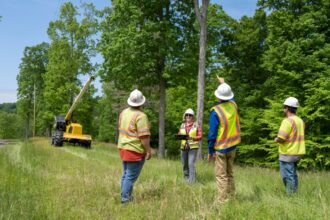
Field-based research has become a key driver of change. Instead of relying on assumptions, some manufacturers are spending time alongside tradeswomen on jobsites. Through site visits, interviews, fit sessions and long-term wear testing, companies are gaining insight into challenges women face when using gear originally designed for men.
Several themes consistently emerge across trades.
Movement and fit challenges
Many tradeswomen report pants that restrict bending, ride too low, bunch at the hips or create excess fabric that can catch on equipment. Because these garments are often based on male proportions, they can reduce mobility, increase snag risks and cause discomfort during tasks that involve kneeling, climbing or lifting.
Durability that falls short
Another recurring issue is durability. Some women’s gear, while marketed as lighter or more flexible, lacks abrasion-resistant materials, reinforced seams or rugged construction. The result can be premature wear that does not meet the demands of outdoor or heavy-duty work.
Insufficient built-in protection
Tradeswomen also cite poorly designed or missing protective features. Knee zones may not align correctly. Pockets can be too shallow for essential tools. Fabrics may not withstand friction, moisture or changing weather conditions. These shortcomings are not simply inconvenient. They can increase the risk of injury.
Ongoing field research has helped manufacturers better understand these details and apply them to updated designs.
From insight to innovation
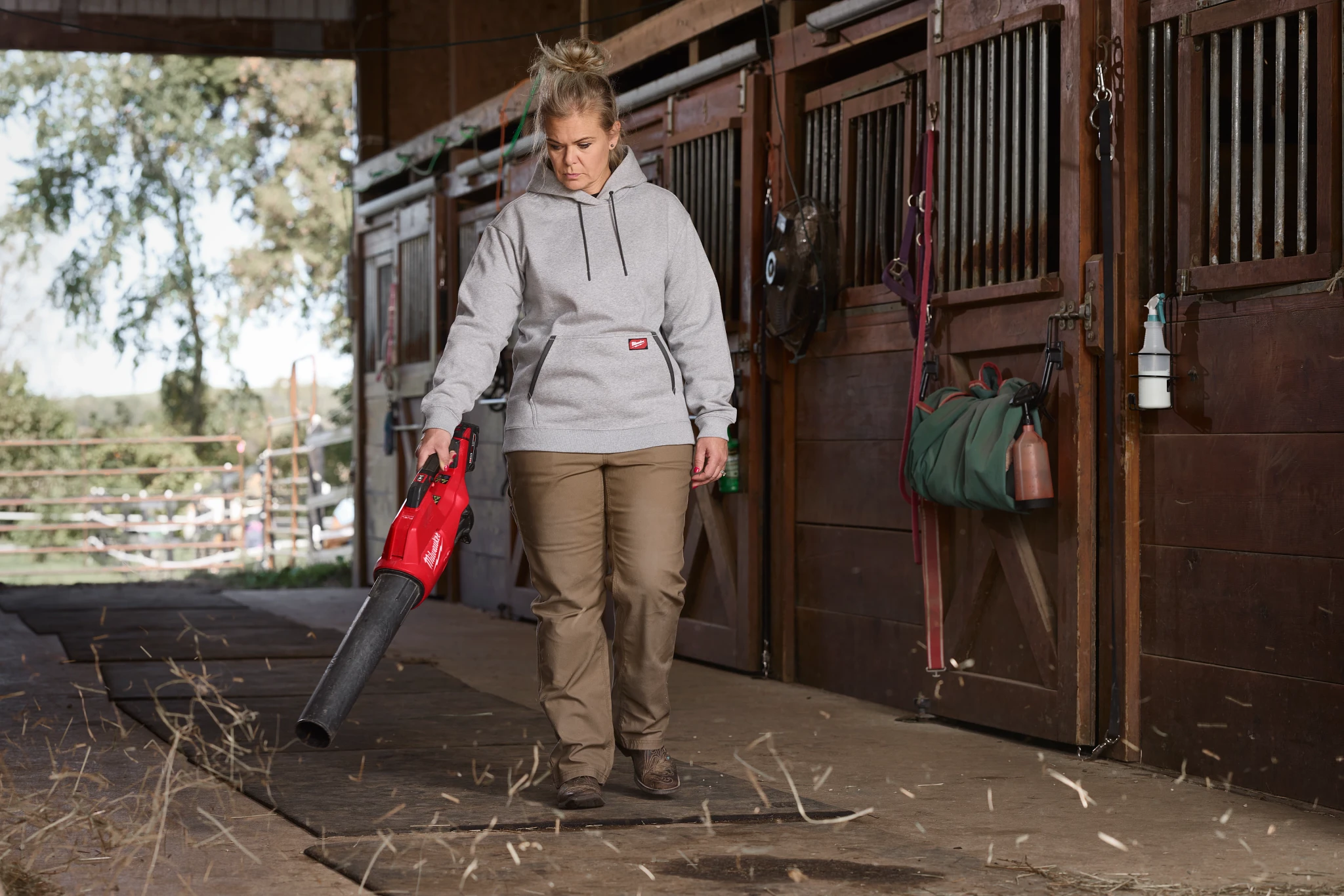
Some companies are moving away from adapting men’s templates and instead designing women’s workwear from the ground up. The process begins with evaluating how garments must perform throughout a full workday, whether that includes operating equipment, hauling materials over uneven terrain or working extended outdoor shifts.
Several advancements have followed.
Improved structure and fit
Designers are incorporating secure waistbands, stretch materials that support bending and lifting, and silhouettes that provide consistent coverage during movement. These adjustments help reduce gapping, pinching and restriction, allowing for more natural movement.

Functional storage
Tool and accessory storage has become a central focus. Pockets are being designed with deeper openings, reinforced construction and placement that reflects how tradeswomen carry tools. These changes can improve efficiency and reduce frustration during repetitive tasks.
Climate-responsive materials
With many tradeswomen working outdoors, breathable fabrics, moisture management and ventilation have gained importance. These features can help regulate body temperature, reduce fatigue and improve comfort in changing conditions.
Co-creation with tradeswomen
Perhaps the most significant shift is in the development process itself. Rather than involving tradeswomen only at the final testing stage, some manufacturers now include them from the outset. Early collaboration helps guide decisions about fit, reinforcement, fabric flexibility and feature placement.
Participants in these programs test prototypes while performing jobsite tasks such as lifting, digging, climbing and kneeling. Their feedback provides practical insight into durability and performance under real conditions.
This collaborative approach aims to produce more effective gear while recognizing the experience of the women who use it.
A new standard for the trades
As women continue to enter skilled trades and move into leadership roles, expectations for high-performance, purpose-built workwear are rising. Many are no longer willing to accept products designed as secondary adaptations. Manufacturers seeking to serve today’s workforce must remain focused on research, inclusive sizing and functional design.
Future advancements are likely to include:
- Broader size and fit ranges that reflect diverse body shapes
- Materials that balance strength, flexibility and comfort
- Expanded protective features that enhance safety and durability
- Continued engagement with women professionals throughout product development
Workwear that fits properly and performs reliably is more than a convenience. It is an investment in the people who build, maintain and support essential infrastructure. As women’s participation in the skilled trades grows, industry standards will likely evolve alongside it.
Nadia Sinner is a Product Manager at Milwaukee Tool over the Women’s Workwear category.